

India has warned that a newly passed US sanctions bill targeting Russian and Iranian trade could have consequences for the bilateral relationship, hours after the US Congress cleared legislation empowering President Donald Trump to impose tariffs of up to 100% on major buyers of Russian oil and gas.
The Lindsey O Graham Sanctioning Russia and Iran Act of 2026 passed the House of Representatives on September 16 by a vote of 262 to 159, having already cleared the Senate the previous month. The legislation targets Russian officials, financial institutions, the energy sector and the so-called shadow fleet of vessels used to move Russian oil, while also expanding sanctions related to Iran. Its most significant provision for India gives Trump the authority, though not an automatic requirement, to impose steep tariffs on countries continuing to buy large volumes of Russian energy.
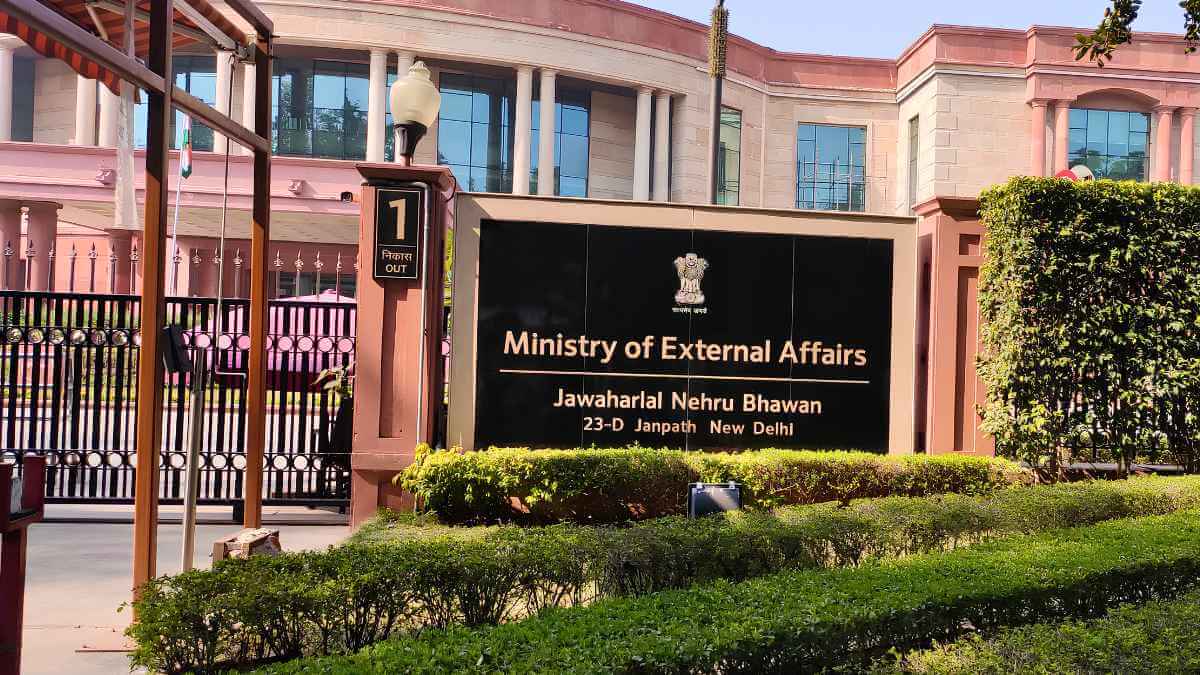
Responding to the development, India’s Ministry of External Affairs said the issue had already been discussed at high levels with various US interlocutors in recent months, and that India had very clearly articulated the potential implications, not just for the bilateral relationship but also for the international energy market. The ministry reiterated that India remains firmly committed to ensuring energy security for its 1.4 billion people and would continue sourcing supplies through diversified channels based on evolving market conditions. It added that the government would work closely with Indian trade and industry bodies to manage the implications of the legislation.
The development revives a familiar point of friction in India-US trade relations. Washington had previously imposed tariffs of up to 50% on Indian goods between August last year and February this year over New Delhi’s continued Russian oil purchases, before a 25% penalty tariff was lifted following a bilateral trade agreement. That broader tariff structure was subsequently struck down by the US Supreme Court in February. Trade analyst Ajay Srivastava of the Global Trade Research Initiative said the new legislation could once again put significant pressure on India.
The bill’s passage also comes against the backdrop of a wider spike in global oil prices, with Brent crude climbing past $100 a barrel amid escalating tensions in West Asia, including Houthi advances along Yemen’s Red Sea coast.
