

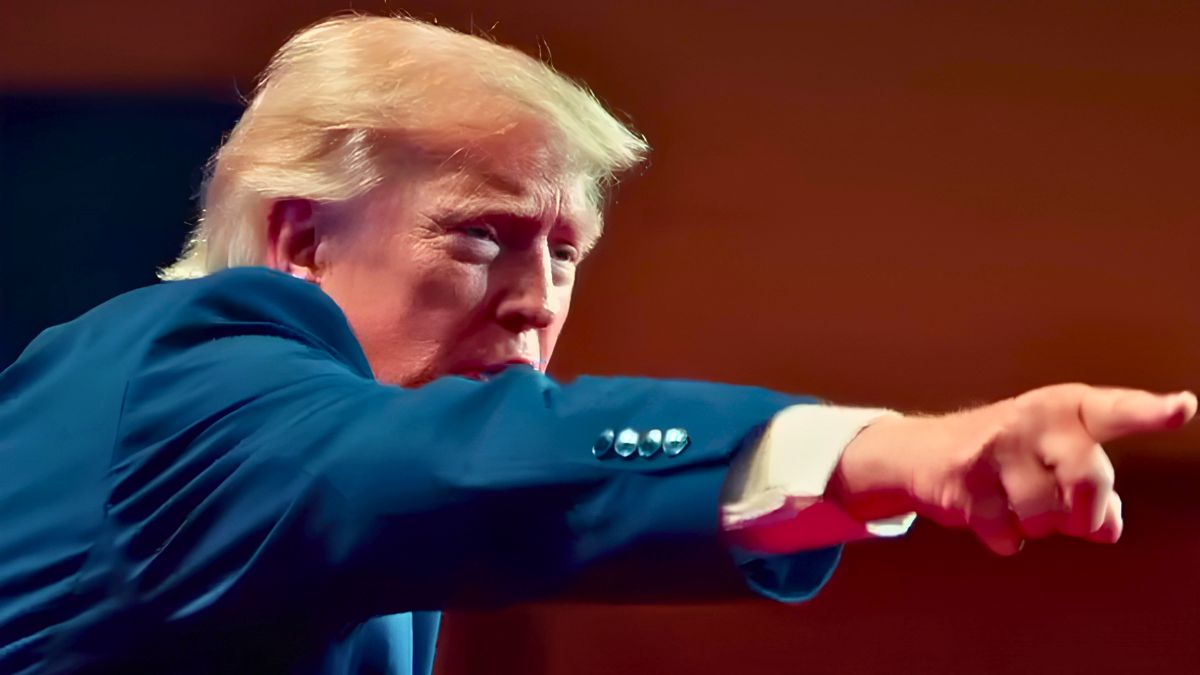
US President Donald Trump has threatened to impose a substantial tax on American companies that build data centres outside the United States, as his administration seeks to encourage domestic investment in artificial intelligence infrastructure.
Trump said companies constructing data centres overseas would face a “tremendous tax”, arguing that investment should be directed towards facilities within the United States. The proposal could affect major data centre operators and technology companies expanding computing infrastructure internationally.
Data centres have become a critical part of the global AI race, providing the computing capacity needed to train and operate increasingly sophisticated AI systems. Companies often establish facilities in different countries to serve customers closer to their locations, reduce latency and manage the costs associated with transmitting large volumes of data.
The proposed tax could complicate these expansion plans, potentially affecting companies such as Equinix and Digital Realty, which operate extensive international data centre networks. Businesses may have to reassess investment strategies if overseas construction becomes significantly more expensive for US-based companies.
The threat also comes amid broader US efforts to strengthen its domestic AI industry and restrict China’s access to advanced computing technology. Washington has been tightening controls on advanced AI chip exports and examining routes through which restricted technology could reach Chinese companies.
However, building data centres exclusively within the United States could also present challenges, including electricity demand, infrastructure costs, land availability and opposition from communities concerned about the environmental and economic effects of large facilities.
The proposed taxation policy, if implemented, could influence global investment decisions in the data centre industry and add another dimension to the competition over AI infrastructure.
